




How to Prevent Structural Sagging in Large Dining Tables?
Two Essential Structural Solutions
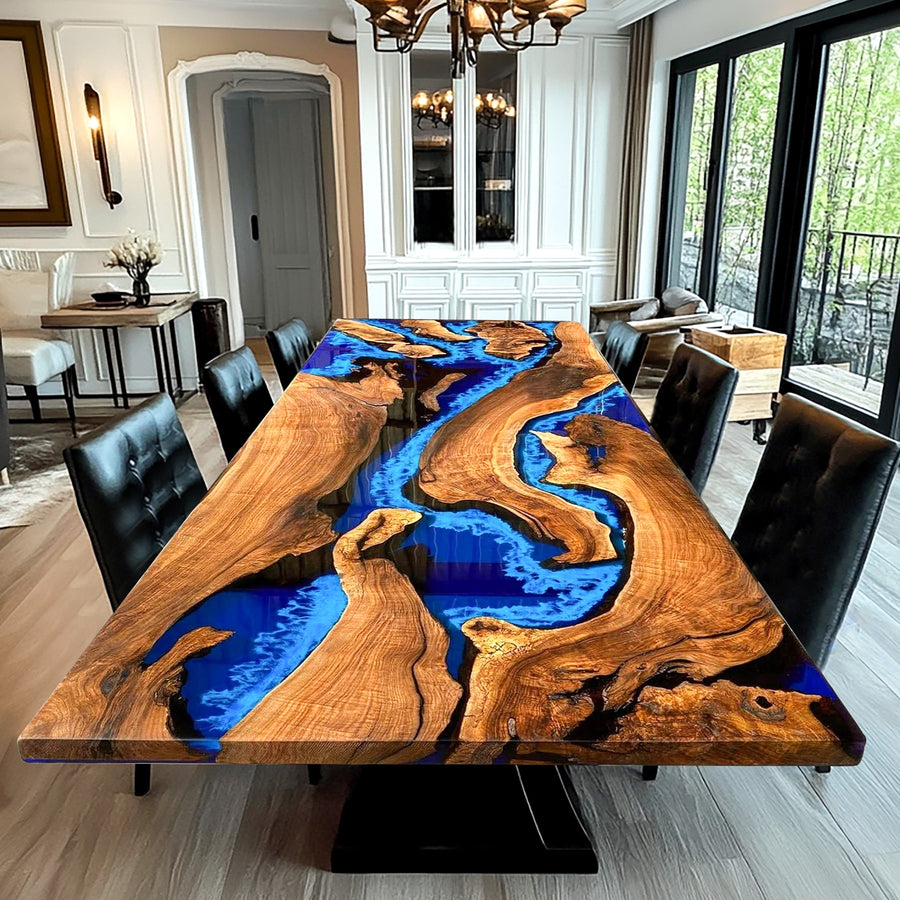
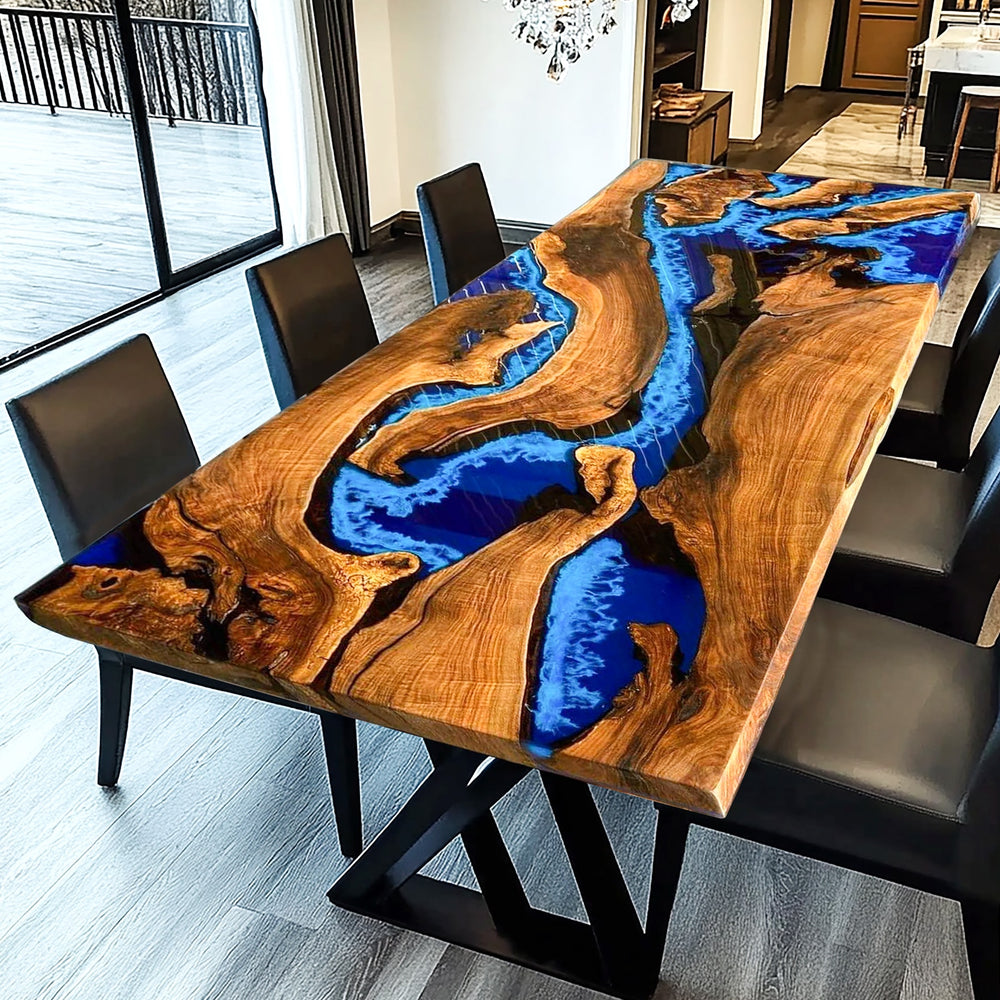
Large dining tables have become a defining feature of modern interiors, offering both functionality and strong visual presence. However, as table sizes increase, so does the engineering challenge of maintaining long-term structural stability. One of the most common issues in oversized tables is sagging—especially in the center area—caused by insufficient support or inadequate material thickness.
To ensure a large table remains flat, durable, and visually perfect over time, two core solutions are widely used in professional craftsmanship: increasing tabletop thickness (such as 2.36 inches) and using heavy-duty base systems with wide top-frame support, such as MTL14, MTL16, and MTL18 table legs.
1. Increasing Tabletop Thickness to 2.36 Inches for Long-Term Structural Stability
One of the most effective and fundamental ways to prevent sagging in large tables is to increase the thickness of the tabletop itself. As the length of a table increases—especially beyond 80 inches—the internal stress on the material becomes significantly higher. Gravity, uneven load distribution, and natural wood movement all contribute to potential bending or deflection over time.
A professional-grade standard for large dining tables is a minimum tabletop thickness of 2.36 inches. At this thickness level, the structural behavior of the tabletop changes dramatically compared to thinner slabs.
Why thickness matters so much
A thicker tabletop provides greater resistance to bending forces. In engineering terms, the stiffness of a material increases exponentially with thickness, not linearly. This means even a small increase in thickness results in a significantly stronger and more rigid surface.
For large epoxy resin and solid wood tables, this has several critical benefits:
-
Reduced center deflection over time
Longer tables naturally tend to bend slightly in the middle due to gravity. A 2.36-inch slab significantly reduces this risk, keeping the surface flatter even after years of use. -
Better load distribution across the entire surface
Dining tables are not only affected by static weight but also dynamic forces such as people leaning, objects being placed down, or shifting pressure during use. A thicker slab distributes these forces more evenly. -
Improved structural compatibility with epoxy resin sections
In epoxy river tables or mixed-material designs, wood and resin behave differently under temperature and humidity changes. A thicker structure helps stabilize these differences and reduces the risk of surface imbalance. -
Greater long-term durability and resistance to warping
Thicker slabs are less affected by internal stress release that occurs naturally in wood over time, especially in wide or irregular grain patterns.
Material selection and drying are equally important
Thickness alone is not enough. To fully prevent deformation, the wood must also be properly kiln-dried or naturally air-dried to a stable moisture level. If the internal moisture content is too high or uneven, even a thick slab may still warp after production.
For this reason, high-quality large tables are always made from carefully selected hardwood slabs that are both visually stable and structurally balanced before any cutting or resin filling begins.
2. Using Reinforced Base Systems with Wide Top-Frame Support (MTL14 / MTL16 / MTL18)
While tabletop thickness provides internal strength, the base structure is responsible for supporting and distributing the load. Many people underestimate this part, but in reality, the base is just as important as the tabletop when it comes to preventing sagging.
A weak or narrow base can concentrate stress in the center of the table, which eventually leads to bending or long-term deformation. This is why professional large table designs always use heavy-duty bases with wide top-frame support structures.
At Seawavetable, we use engineered base systems such as MTL14, MTL16, and MTL18, each designed to support large and heavy tabletops effectively.


Preventing sagging in large dining tables is all about smart structural engineering. By increasing tabletop thickness to 2.36 inches and pairing it with a strong, wide-frame base system like MTL14, MTL16, or MTL18, you can ensure long-term durability and stability.
A well-designed large table is not just furniture—it is a carefully engineered structure built to last. With the right combination of thickness and base support, your table will remain strong, level, and beautiful for years to come.